High temperatures in the South can accelerate asphalt wear, affecting its strength, appearance, and long-term durability. Understanding how heat impacts asphalt helps you plan better maintenance and avoid premature damage.
Asphalt is widely used for parking lots, roadways, and commercial surfaces due to its flexibility and cost-effectiveness. However, southern climates introduce unique challenges that can impact performance over time.
Heat, sunlight, and heavy traffic all play a role in how asphalt holds up in these conditions.
Does Heat Damage Asphalt?
Heat does not immediately destroy asphalt, but it does change how the material behaves. Asphalt becomes softer at higher temperatures, which can make it more vulnerable to wear and deformation.
Over time, repeated exposure to heat can contribute to surface breakdown and structural issues if not properly maintained.
Softening and Surface Deformation
In extreme heat, asphalt can soften enough to become slightly pliable. This can lead to:
- Surface impressions from vehicles
- Rutting in high-traffic areas
- Minor shifting under heavy loads
This is especially common in commercial parking lots where vehicles are constantly moving or parked for long periods.
Oxidation from Sun Exposure
Prolonged exposure to sunlight causes asphalt to oxidize. This process dries out the material and leads to:
- Fading from black to gray
- Brittle surface conditions
- Increased likelihood of cracking
Oxidation is one of the primary reasons asphalt deteriorates faster in southern climates.
Cracking and Long-Term Damage
While heat itself softens asphalt, the long-term effect of repeated heating and cooling cycles can lead to cracking.
Once cracks form, water can enter the surface, leading to further damage and eventual structural issues.
How Heat Affects High-Traffic Areas
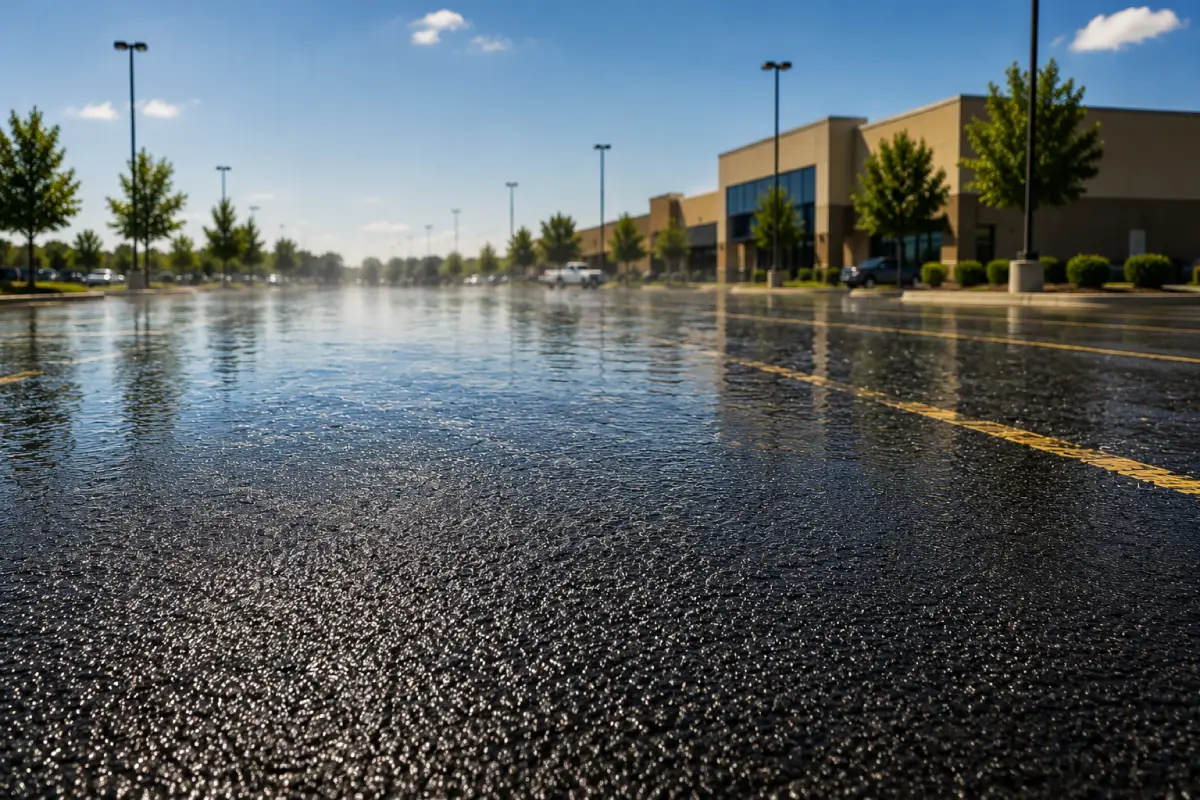
Commercial surfaces such as parking lots experience additional stress due to constant traffic. Heat combined with heavy loads can accelerate wear in these areas.
- Drive lanes may show rutting over time
- Parking spaces may develop surface wear
- Turning areas often experience the most stress
Can Asphalt Be Protected from Heat?
While heat cannot be avoided, there are ways to reduce its impact on asphalt surfaces.
Sealcoating
Sealcoating helps protect asphalt from UV rays and slows down oxidation. It also helps maintain the surface and improve appearance.
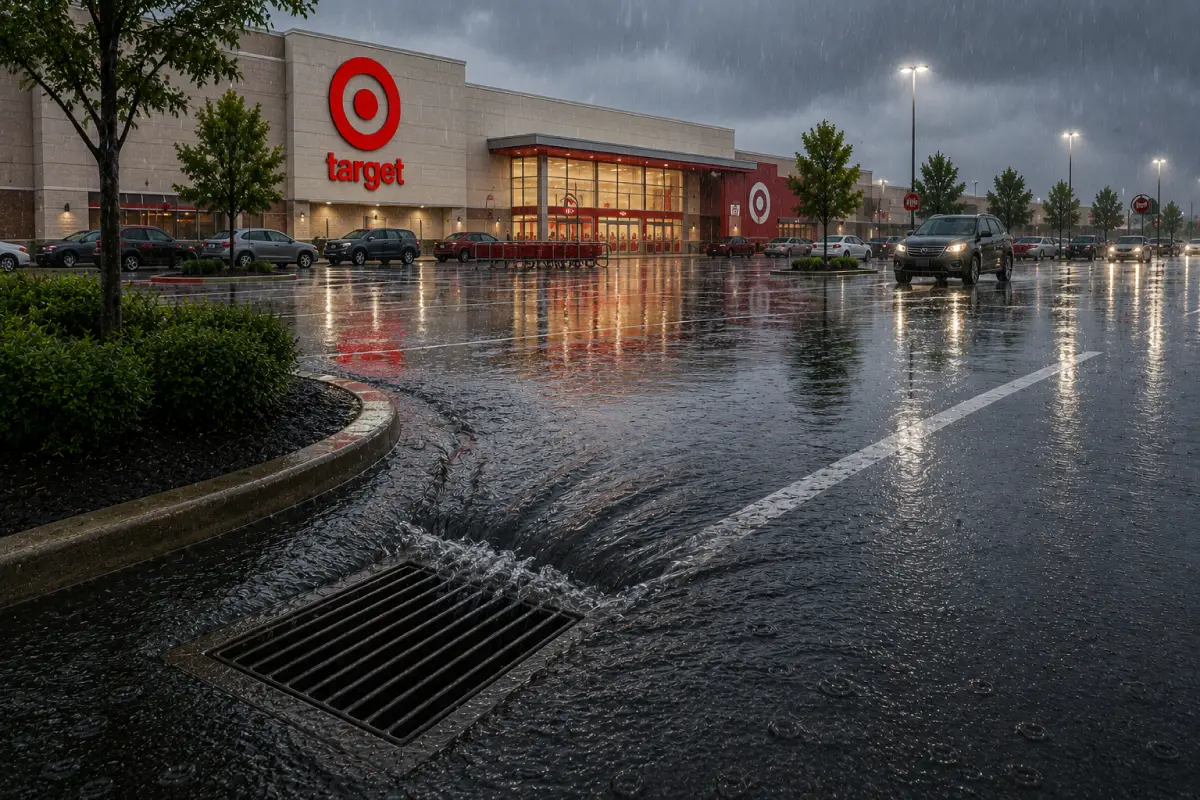
Proper Drainage
Water can worsen heat-related damage. Ensuring proper drainage helps prevent additional stress on the surface.
Regular Maintenance
Addressing small issues early prevents them from becoming larger problems, especially in high-heat environments.
Is Asphalt Still a Good Choice in the South?
Yes, asphalt remains a popular and effective paving option in southern climates. Its flexibility allows it to handle movement and shifting better than more rigid materials.
However, it does require proper maintenance to perform well over time.
Final Thoughts
Heat is one of the biggest factors affecting asphalt performance in the South. While it does not immediately damage the surface, it contributes to long-term wear, oxidation, and structural issues.
With proper installation and maintenance, asphalt can still provide a durable and cost-effective solution for commercial properties and large paved areas.