Many paving projects cost more than expected because important details are overlooked early, and hidden expenses can significantly impact the final budget if they are not planned for in advance.
Whether installing asphalt or concrete, the total project cost depends on more than just the surface material.
Site conditions, drainage, preparation work, and long-term maintenance all play a role in the final investment.
Site Preparation Costs
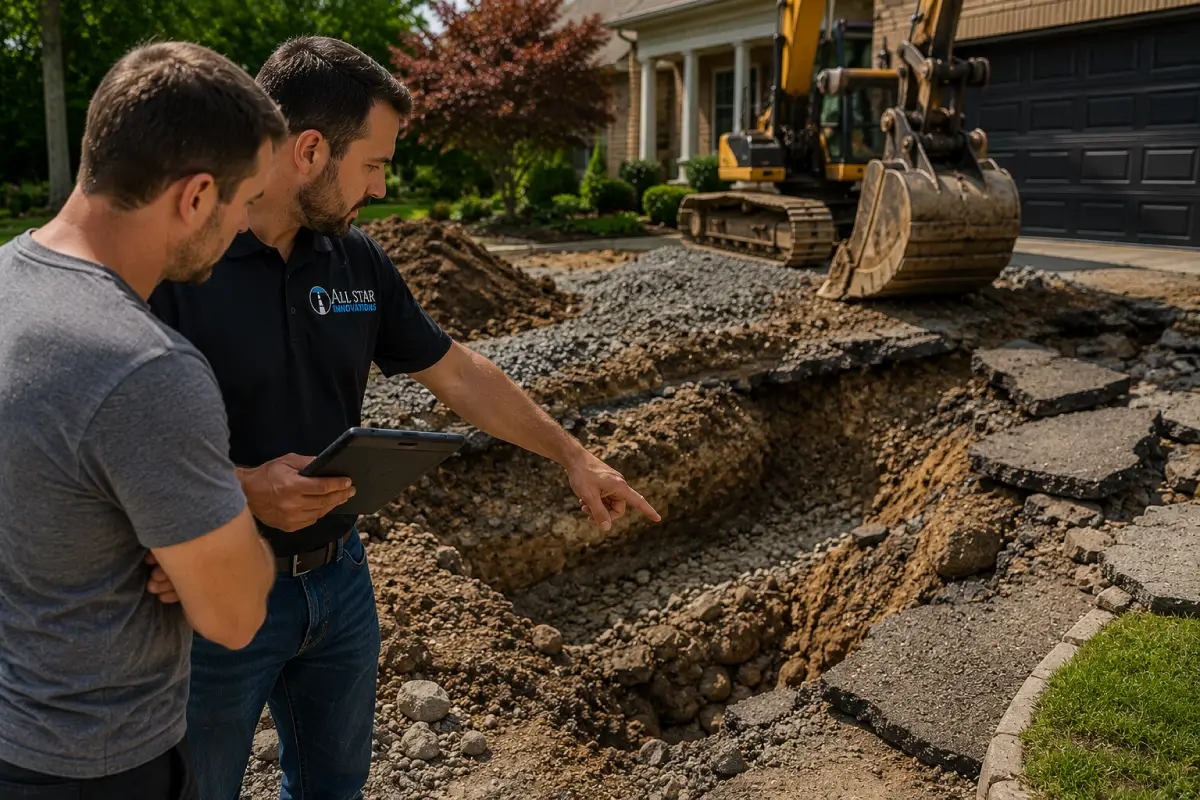
One of the most common hidden costs is preparing the site before paving can begin.
- Removing old pavement
- Excavation and grading
- Clearing vegetation or debris
- Stabilizing poor soil conditions
These issues are often difficult to fully assess until work begins.
Drainage Problems
Improper drainage can shorten the lifespan of asphalt and concrete dramatically.
In some cases, additional grading or drainage systems may be required to prevent water damage.
- Standing water issues
- Drain installation
- Slope correction
Addressing drainage early helps avoid expensive repairs later.
Base Preparation and Compaction
A strong foundation is critical for long-term durability. Weak or unstable soil may require additional aggregate, compaction, or stabilization.
Skipping this step to reduce cost often leads to cracking, sinking, and premature pavement failure.
Thickness Upgrades
Standard paving thickness may not be sufficient for all applications.
- Heavy vehicles
- Frequent traffic
- Commercial-style usage
Thicker asphalt or concrete increases durability but also increases project cost.
Permits and Local Requirements
Some paving projects require permits, inspections, or compliance with local codes.
- Driveway access permits
- Drainage regulations
- Property line requirements
These requirements vary depending on location and project scope.
Decorative or Finish Upgrades
Homeowners sometimes choose upgraded finishes after the project begins.
- Stamped concrete
- Colored finishes
- Custom edging
- Special textures
These options improve appearance but can increase material and labor costs.
Future Maintenance Costs
Long-term maintenance is another expense many homeowners overlook.
- Sealcoating for asphalt
- Crack repairs
- Surface cleaning and maintenance
Planning for maintenance helps extend pavement lifespan and reduce larger repair costs later.
How to Avoid Unexpected Costs
The best way to reduce surprise expenses is through proper planning and a thorough site evaluation before work begins.
- Work with experienced contractors
- Ask about preparation and drainage
- Discuss potential site challenges early
- Understand what is included in the estimate
Final Thoughts
Hidden costs in paving projects usually come from preparation work, drainage issues, thickness requirements, and long-term maintenance considerations.
Understanding these factors ahead of time helps homeowners budget more accurately and avoid unexpected surprises during the project.