
Most driveway damage starts small, but ignoring early warning signs can lead to costly repairs or full replacement. Catching issues early helps you protect your investment and extend the life of your pavement.
Whether your driveway is asphalt or concrete, it will naturally wear down over time. Weather, traffic, and drainage all play a role in how quickly damage develops.
The good news is that most serious problems begin with visible warning signs. Knowing what to look for can help you take action before repairs become expensive.
1. Cracks Are Starting to Form
Cracks are one of the earliest and most common signs of driveway damage. While small cracks may seem harmless, they can quickly grow if left untreated.
Water can seep into these cracks, weakening the base and causing further deterioration over time. This often leads to larger cracks, potholes, or structural failure.
What to watch for:
- Hairline cracks spreading across the surface
- Widening or deepening cracks
- Cracks forming in patterns or clusters
2. Potholes or Surface Damage
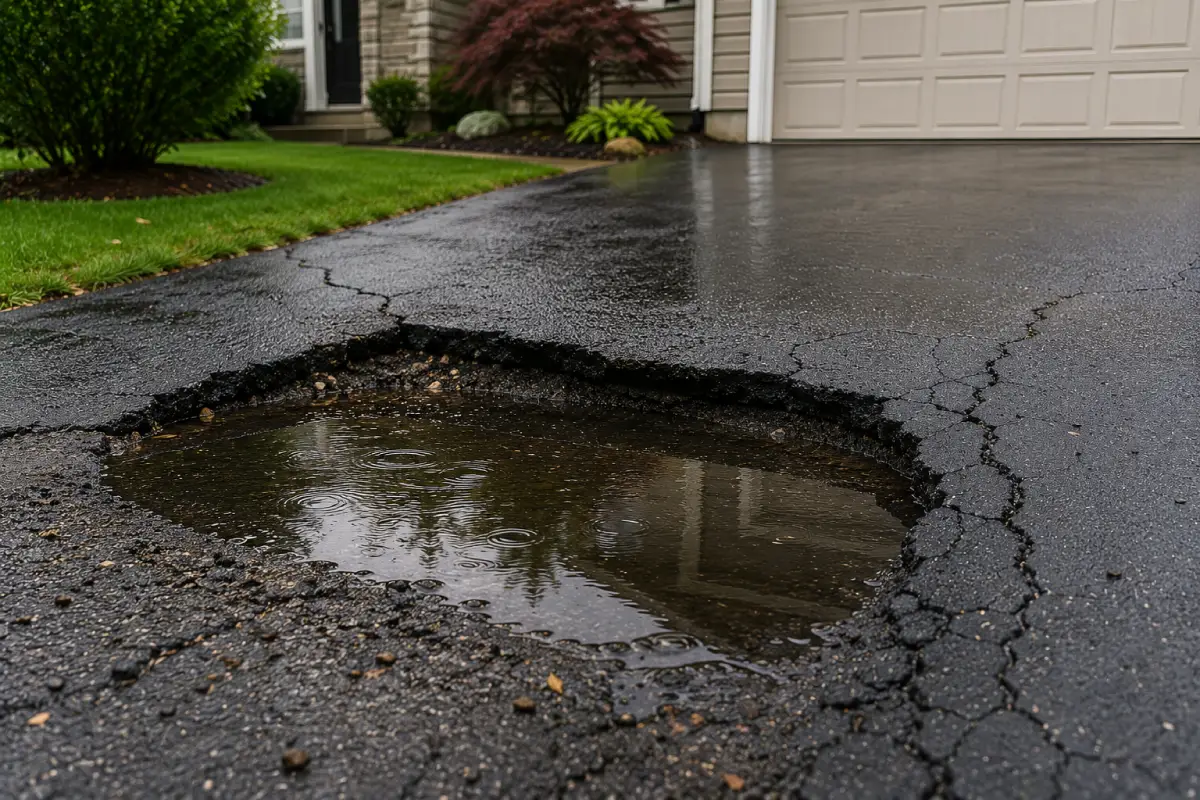
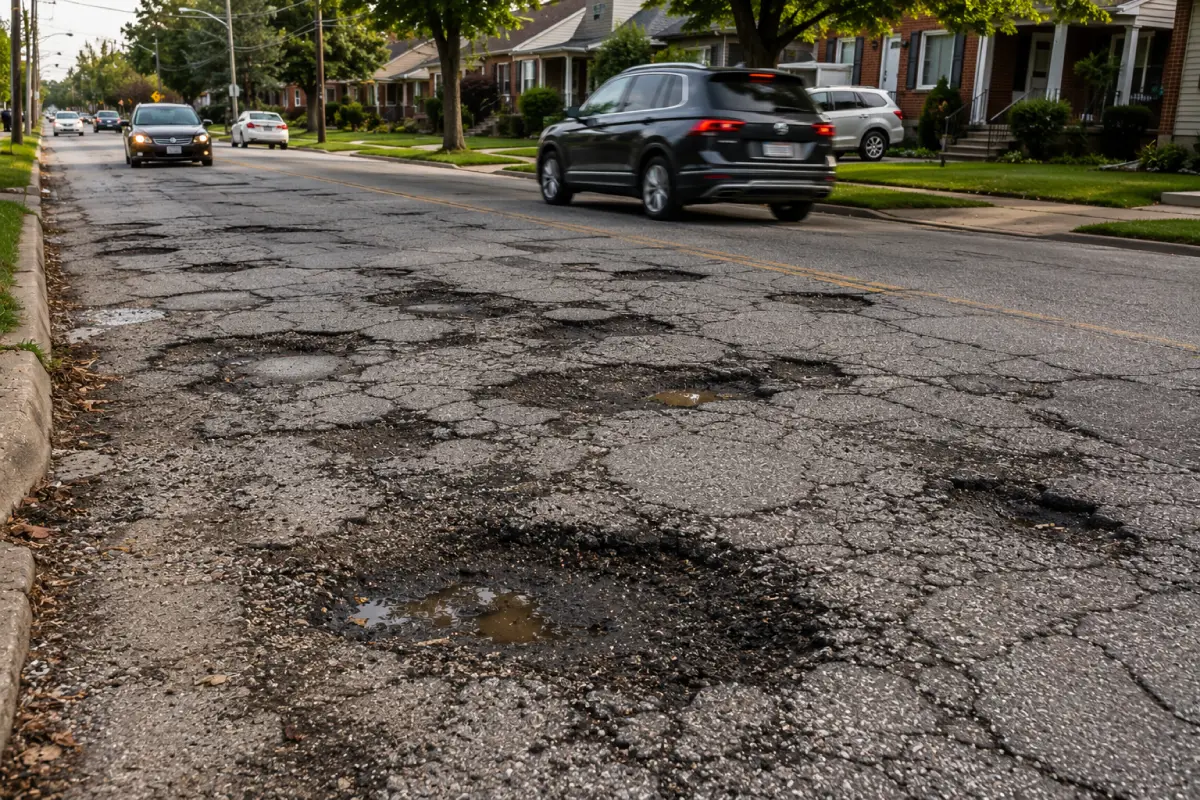
Potholes are a clear sign that your driveway needs attention. They form when water enters the surface, weakens the base, and causes sections to break apart under pressure.
Surface damage can also appear as flaking, chipping, or loose material. These issues may start small but tend to worsen quickly.
Addressing potholes early is important because they can expand rapidly and become safety hazards.
3. Drainage Problems or Standing Water
Water is one of the biggest threats to any paved surface. If you notice water pooling on your driveway after rain, it may indicate poor drainage or uneven grading.
Standing water can weaken the surface and the base underneath, leading to cracks, sinking, and long-term structural issues.
- Water pooling in low spots
- Slow drainage after rain
- Erosion around the edges of the driveway
4. Fading or Discoloration
A driveway that is fading or changing color may be showing early signs of wear. Asphalt can fade from deep black to gray, while concrete may show stains or discoloration.
This is often caused by UV exposure, weather conditions, and general wear over time. While it may seem cosmetic, fading can indicate that the surface is becoming more vulnerable to damage.
5. Uneven or Sinking Areas
If parts of your driveway feel uneven or appear to be sinking, it may point to issues with the base or soil underneath.
These problems can worsen over time and may require more extensive repairs if not addressed early.
- Sections that dip or feel unstable
- Edges breaking down or crumbling
- Visible separation between slabs (concrete)
When Should You Repair Your Driveway?
The best time to repair your driveway is as soon as you notice any of these warning signs. Small repairs are typically faster, more affordable, and more effective than waiting for larger problems to develop.
In many cases, early repairs can extend the life of your driveway by several years and delay the need for full replacement.
Final Thoughts
Driveway damage does not happen overnight. Paying attention to early warning signs like cracks, potholes, drainage issues, fading, and uneven surfaces can save you time and money.
Taking action early is the best way to protect your driveway and avoid more expensive repairs in the future.