
Asphalt cracks for specific reasons, and the type of cracking you see can tell you a lot about the condition of your pavement. Understanding these signs early can help prevent more serious and costly damage.
Cracking is one of the first visible signs that asphalt is beginning to deteriorate. While it may seem minor at first, it often indicates underlying issues that can worsen over time.
For commercial properties and high-traffic areas, identifying the cause of cracking early is key to avoiding larger repairs or full replacement.
What Causes Asphalt to Crack?
Asphalt cracking is usually the result of a combination of environmental stress, traffic load, and structural issues. Over time, these factors weaken the surface and lead to visible damage.
- Temperature changes and weather exposure
- Heavy traffic and repeated loads
- Water infiltration beneath the surface
- Poor base or improper installation
- Lack of regular maintenance
Different Types of Asphalt Cracks (and What They Mean)
1. Hairline Cracks
These small cracks are usually the earliest sign of wear. They are often caused by surface aging and exposure to sunlight.
What it means: Early-stage deterioration. Maintenance can prevent further damage.
2. Alligator Cracking
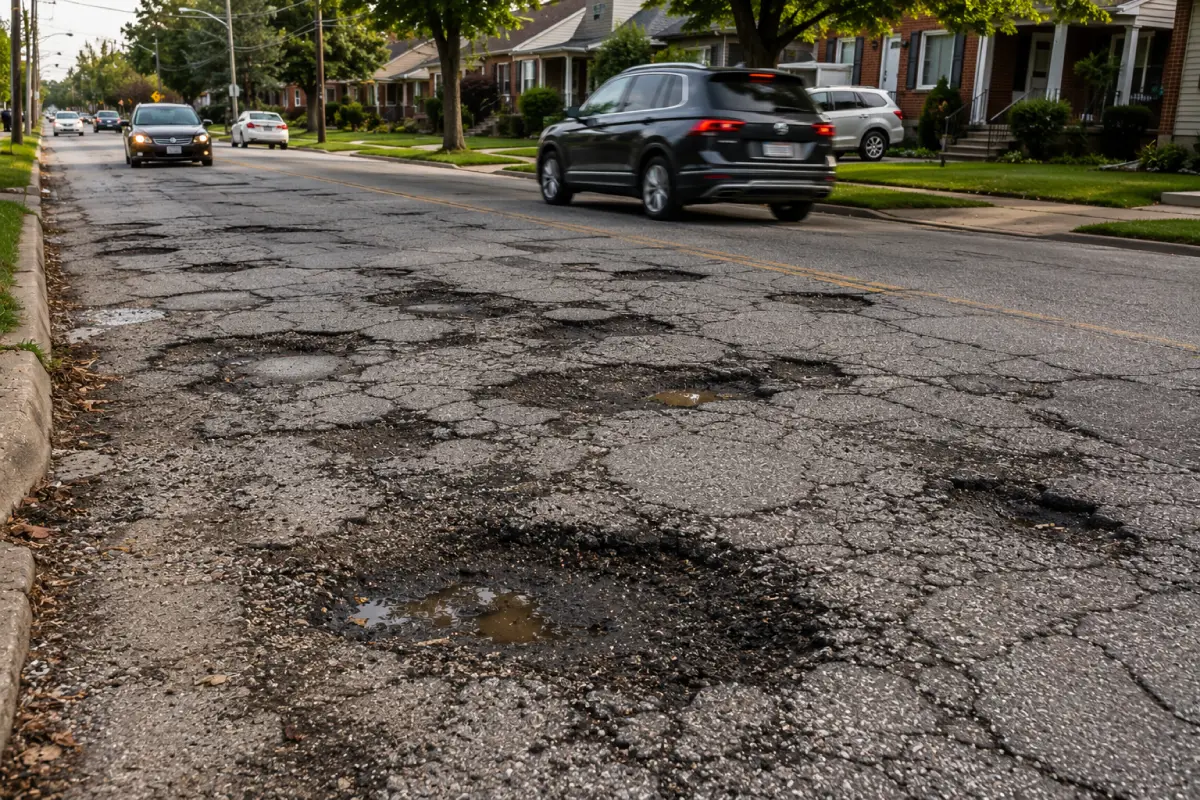
This type of cracking forms a pattern similar to reptile skin and usually appears in areas under heavy stress.
What it means: Structural failure beneath the surface. Repairs often require more than surface-level fixes.
3. Longitudinal Cracks
These cracks run parallel to the direction of traffic and are often caused by poor joint construction or base issues.
What it means: Weakness along seams or joints.
4. Transverse Cracks
These cracks run across the pavement and are typically caused by temperature changes and shrinkage.
What it means: Environmental stress and natural material movement.
Why Cracks Get Worse Over Time
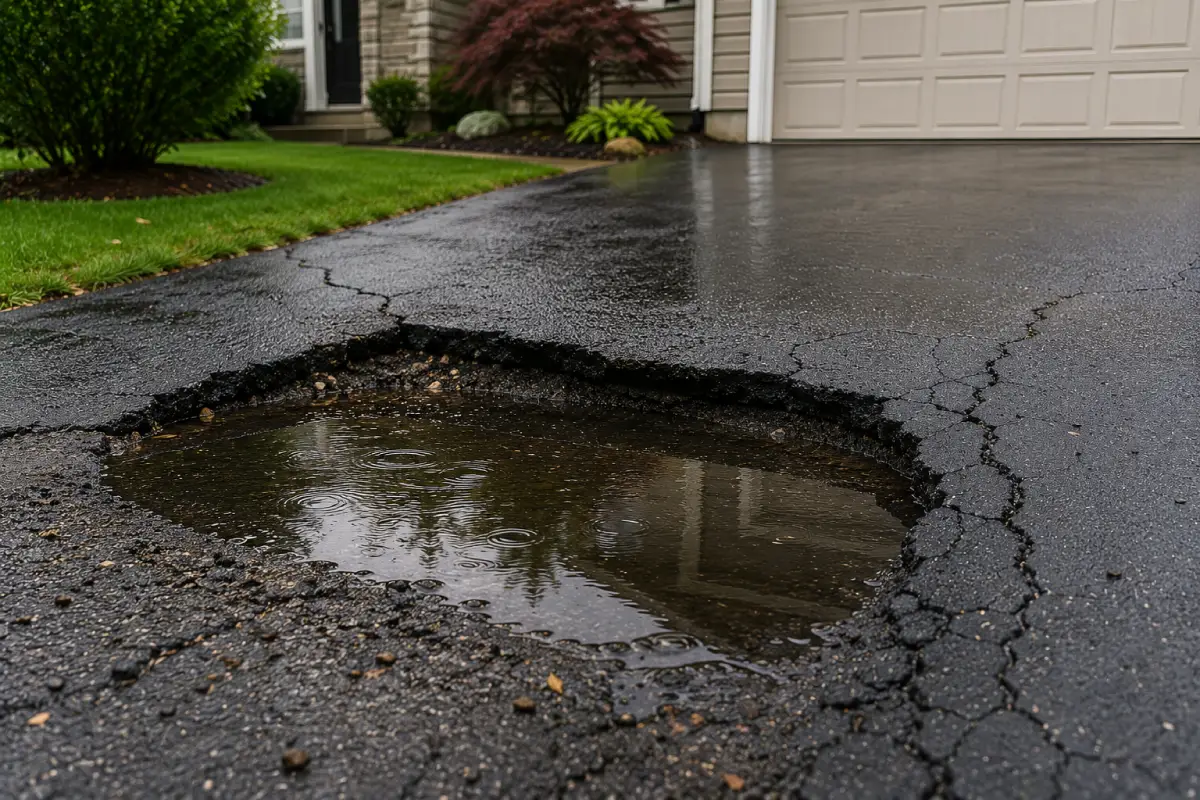
Cracks allow water to penetrate the asphalt surface. Once water reaches the base layer, it can weaken the foundation and accelerate damage.
Over time, this can lead to potholes, surface collapse, and more extensive structural problems.
How Traffic Impacts Cracking
In commercial areas, heavy traffic plays a major role in how quickly cracks develop and spread.
- Drive lanes experience constant stress
- Turning areas wear down faster
- Parked vehicles add sustained pressure
These factors can accelerate cracking, especially when combined with heat and weather exposure.
Can Asphalt Cracks Be Repaired?
Yes, but the type of repair depends on the severity of the damage.
- Minor cracks: can often be sealed to prevent water intrusion
- Moderate cracks: may require patching or localized repairs
- Severe cracking: may require resurfacing or full replacement
The key is addressing cracks early before they lead to more serious issues.
When Cracking Means Replacement
Not all cracking can be repaired effectively. In some cases, the damage indicates deeper structural failure.
- Widespread alligator cracking
- Recurring repairs in the same areas
- Surface instability or sinking
When these signs are present, replacement may be more cost-effective than ongoing repairs.
Final Thoughts
Asphalt cracking is not just a surface issue. It is often a sign of deeper problems that can worsen over time if not addressed.
Understanding what different types of cracks mean helps you take the right action early and avoid more expensive repairs later.