Asphalt and concrete installations differ significantly in timing, especially when it comes to curing and how quickly the surface can be used. Understanding these timelines helps you plan your project more effectively.
Whether you are installing a driveway, parking lot, or commercial surface, one of the most common questions is how long the process will take.
The answer depends on several factors, including preparation work, weather conditions, project size, and the material being installed.
How Long Does Asphalt Installation Take?
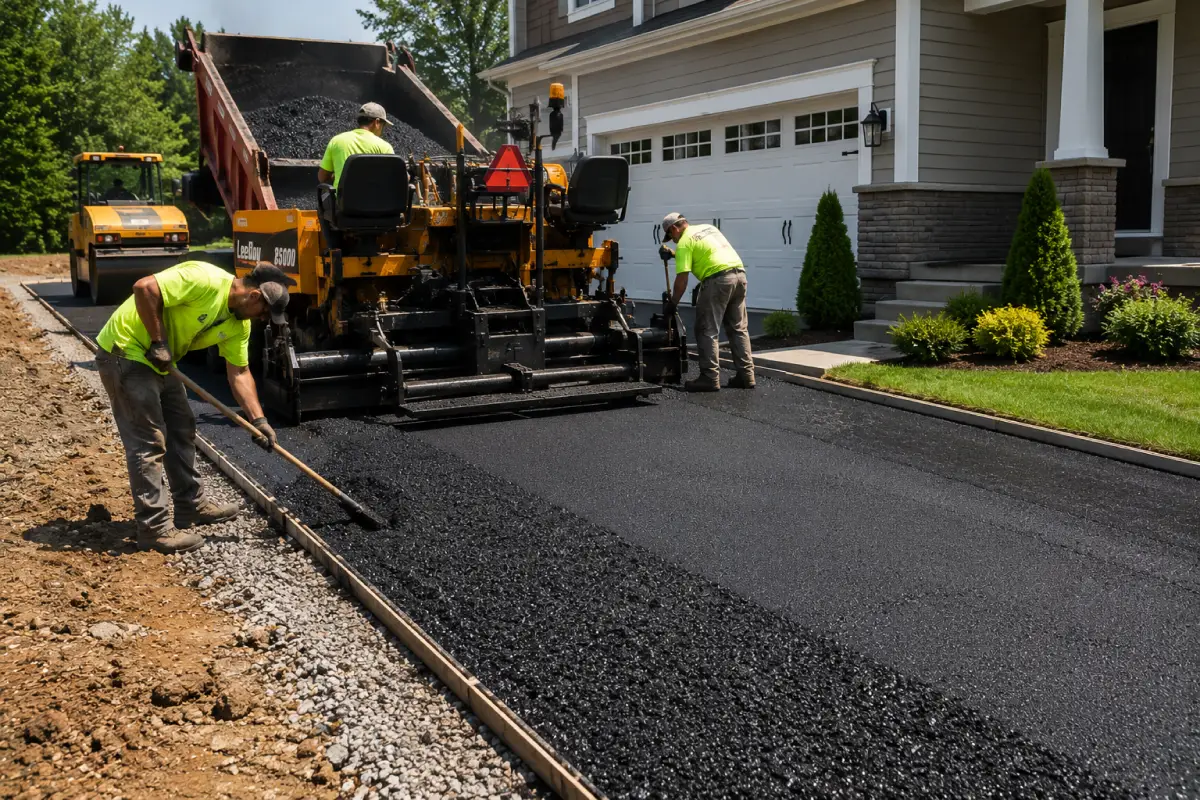
Asphalt is generally faster to install and return to service compared to concrete.
- Most asphalt projects can be installed within 1 to 2 days
- The surface cools and hardens relatively quickly
- Light vehicle traffic is often possible within a few days
While asphalt can be used sooner, it continues to cure and harden over time.
How Long Does Concrete Installation Take?
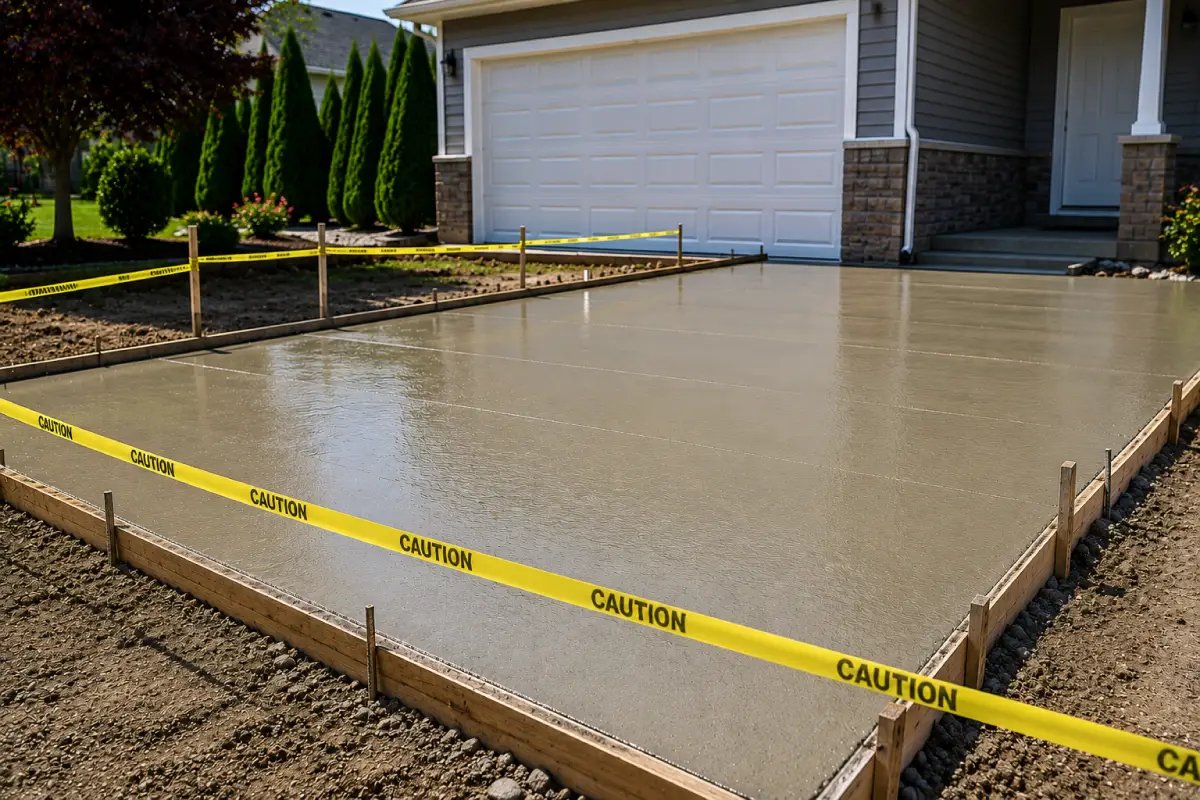
Concrete installation usually takes longer due to curing requirements.
- Installation may take several days depending on project size
- Concrete requires additional curing time before full use
- Complete curing can take several weeks
This longer timeline is one reason asphalt is often chosen for projects requiring faster turnaround.
What Affects Installation Time?
Project Size
Larger parking lots and commercial surfaces naturally require more time than smaller residential projects.
Site Preparation
Demolition, grading, drainage work, and base preparation can significantly impact timelines.
Weather Conditions
Rain, temperature, and humidity all affect installation schedules and curing times.
Accessibility
Difficult access or tight working conditions may slow down equipment and crews.
Why Curing Time Matters
Installation is only part of the process. Proper curing is critical for long-term durability.
- Driving on surfaces too early can cause damage
- Heavy loads should be avoided during curing
- Following contractor recommendations helps prevent premature wear
Asphalt vs Concrete Timeline Comparison
| Factor | Asphalt | Concrete |
|---|---|---|
| Installation Speed | Faster | Slower |
| Initial Use | Sooner | Longer wait |
| Full Cure Time | Several months | Several weeks |
| Weather Sensitivity | Moderate | Higher |
Which Is Better for Fast Turnaround?
Asphalt is typically the better choice when minimizing downtime is important. Its faster installation and quicker usability make it ideal for projects that need to reopen sooner.
Concrete may require more patience upfront, but it can offer longer-term durability depending on the application.
Final Thoughts
Asphalt and concrete installation timelines depend on project size, preparation, weather, and curing requirements.
Asphalt generally offers a faster turnaround, while concrete requires longer curing but may provide additional long-term benefits. Understanding these differences helps you choose the right material for your timeline and project goals.