Preparing your property before paving begins can make the project safer, faster, and more efficient, while also helping prevent unnecessary delays or damage during installation.
Whether you are installing asphalt or concrete, proper preparation helps crews access the work area and complete the project more smoothly.
Knowing what to expect before paving day can help homeowners avoid common issues and better protect surrounding areas of the property.
Clear Vehicles and Equipment Access
One of the most important preparation steps is making sure crews and equipment can easily access the project area.
- Move vehicles away from the driveway
- Keep nearby streets or access points clear if possible
- Remove obstacles that could interfere with equipment
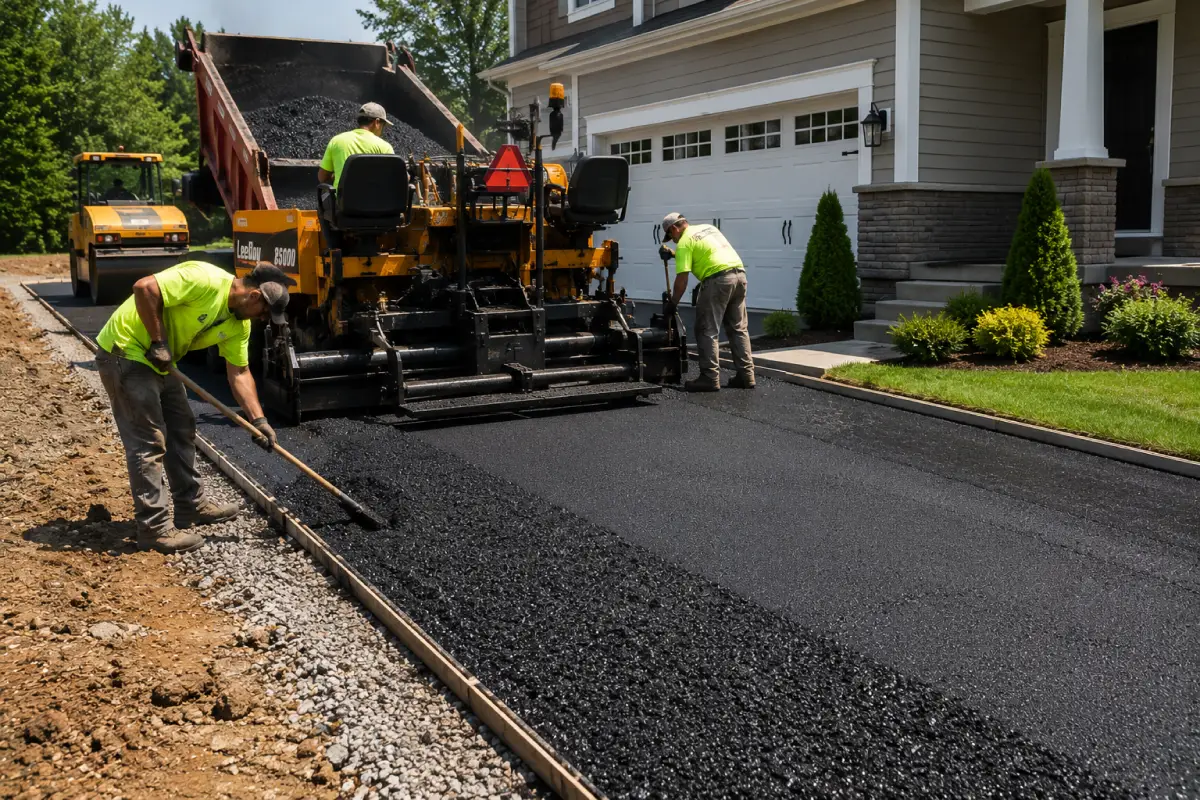
Large paving equipment requires adequate space to operate safely and efficiently.
Protect Landscaping and Outdoor Features
Paving equipment and materials may come close to landscaping, irrigation systems, or decorative features near the driveway.
- Trim low branches if necessary
- Mark sprinkler heads or hidden utilities
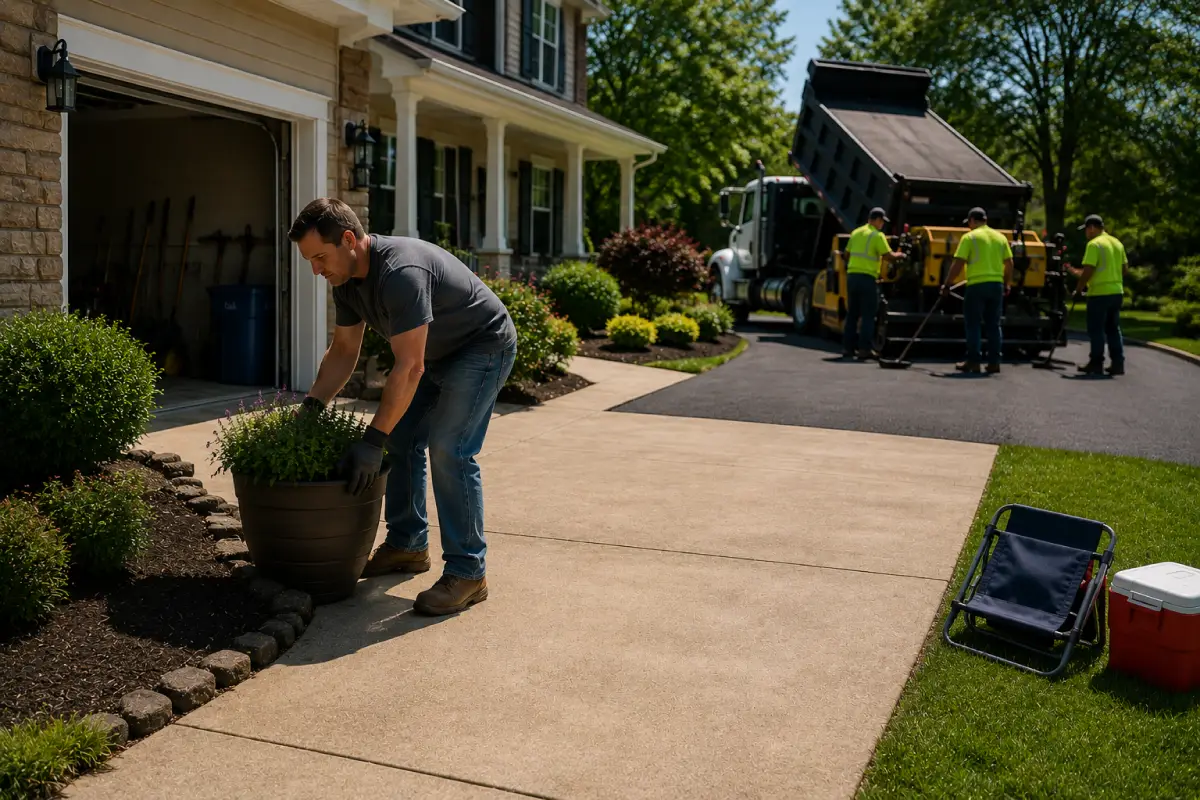
- Move outdoor furniture, planters, or decorations
Taking these precautions can help reduce accidental damage during the project.
Plan for Limited Access
During installation and curing, access to the driveway or parking area may be temporarily restricted.
Homeowners should plan ahead for:
- Alternative parking arrangements
- Temporary walking routes
- Delivery or service scheduling
Understand the Installation Timeline
Weather, preparation work, and curing time can all affect how long the project takes.
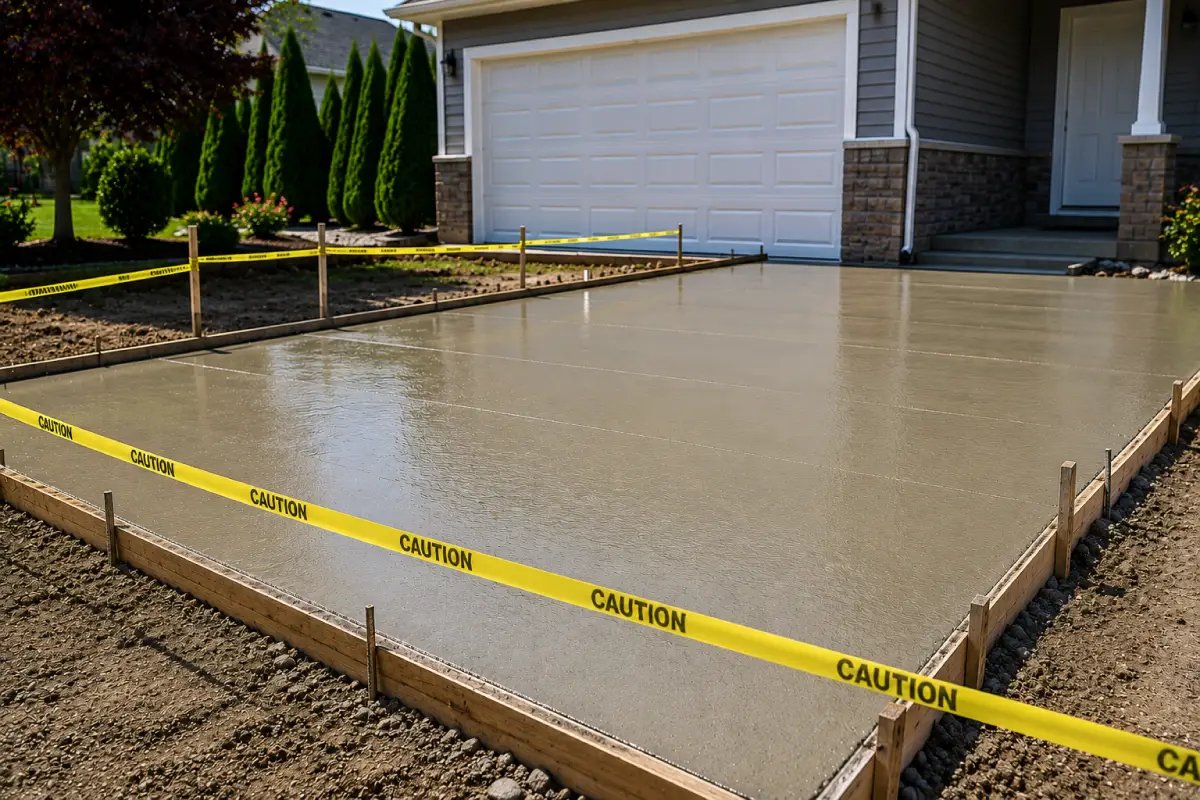
Asphalt typically becomes usable sooner, while concrete usually requires a longer curing period before regular traffic is allowed.
Discuss Drainage and Grading Concerns
If your property has existing drainage issues or standing water problems, they should be discussed before installation begins.
- Identify low spots
- Review water runoff patterns
- Address grading concerns early
Proper drainage is critical for long-term pavement performance.
Keep Children and Pets Away
Fresh asphalt and concrete surfaces can be damaged easily before they fully cure.
Keeping children and pets away from the work area helps prevent accidents and surface damage.
Ask Questions Before Work Begins
Understanding the scope of the project ahead of time can help avoid confusion later.
- Review project expectations
- Confirm curing timelines
- Understand maintenance recommendations
Clear communication helps ensure a smoother installation process.
Final Thoughts
Preparing your property before a paving project can help reduce delays, improve safety, and protect surrounding areas during installation.
Clearing access, protecting landscaping, and planning for temporary restrictions all contribute to a smoother and more successful paving experience.