
A driveway can last more than 20 years with the right maintenance and installation practices, but neglecting small issues early often leads to cracking, sinking, and premature replacement.
Asphalt and concrete are both durable materials, but their lifespan depends heavily on how well they are protected over time.
Preventative maintenance and proper construction are usually far less expensive than major repairs or replacement.
1. Start with Proper Base Preparation
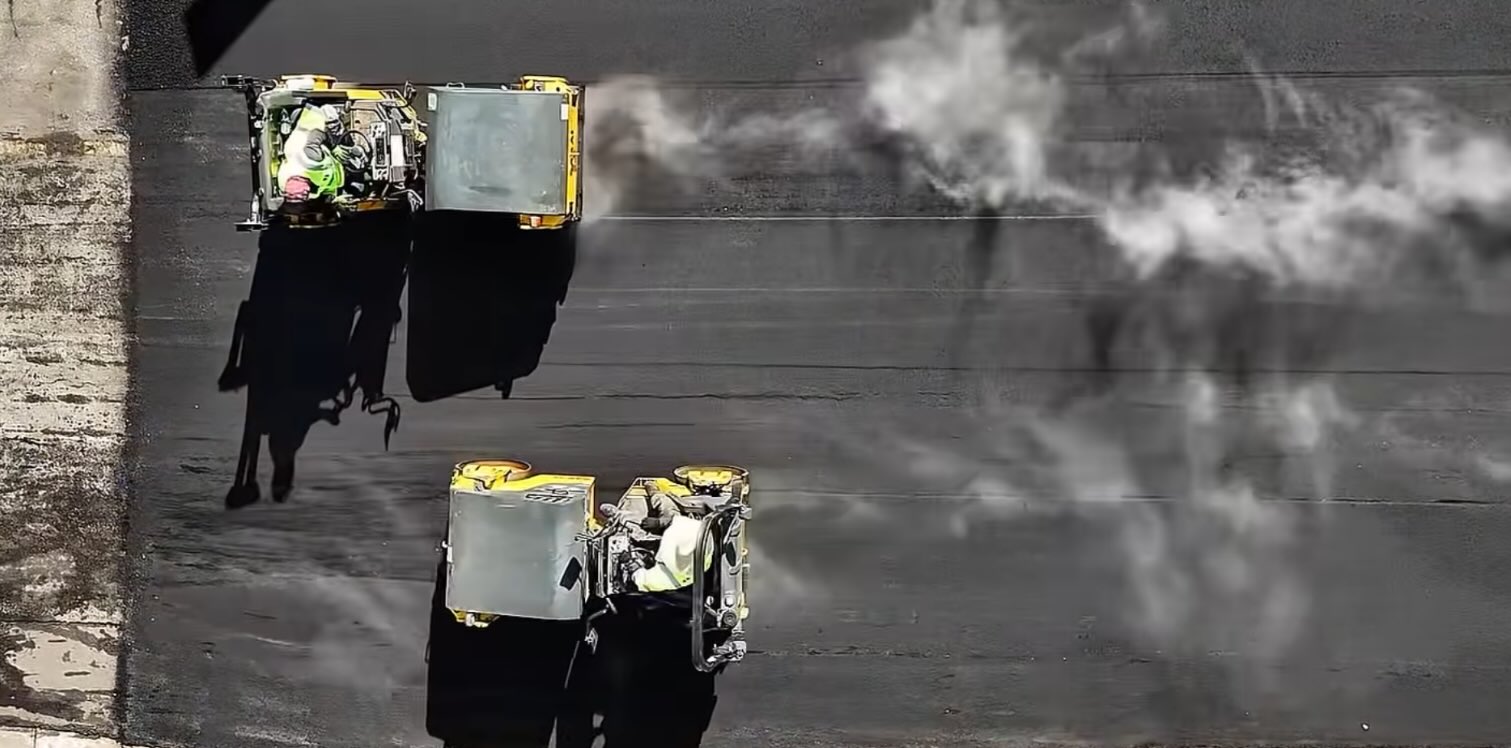
A strong foundation is one of the most important factors in long-term driveway performance.
- Proper grading and drainage
- Compacted aggregate base
- Stable soil conditions
Many driveway failures begin underneath the surface due to poor preparation.
2. Keep Water Away from the Surface
Water is one of the biggest threats to asphalt and concrete.
Poor drainage can weaken the base beneath the driveway and accelerate cracking, potholes, and settlement.
- Prevent standing water
- Maintain proper slope
- Direct downspouts away from pavement
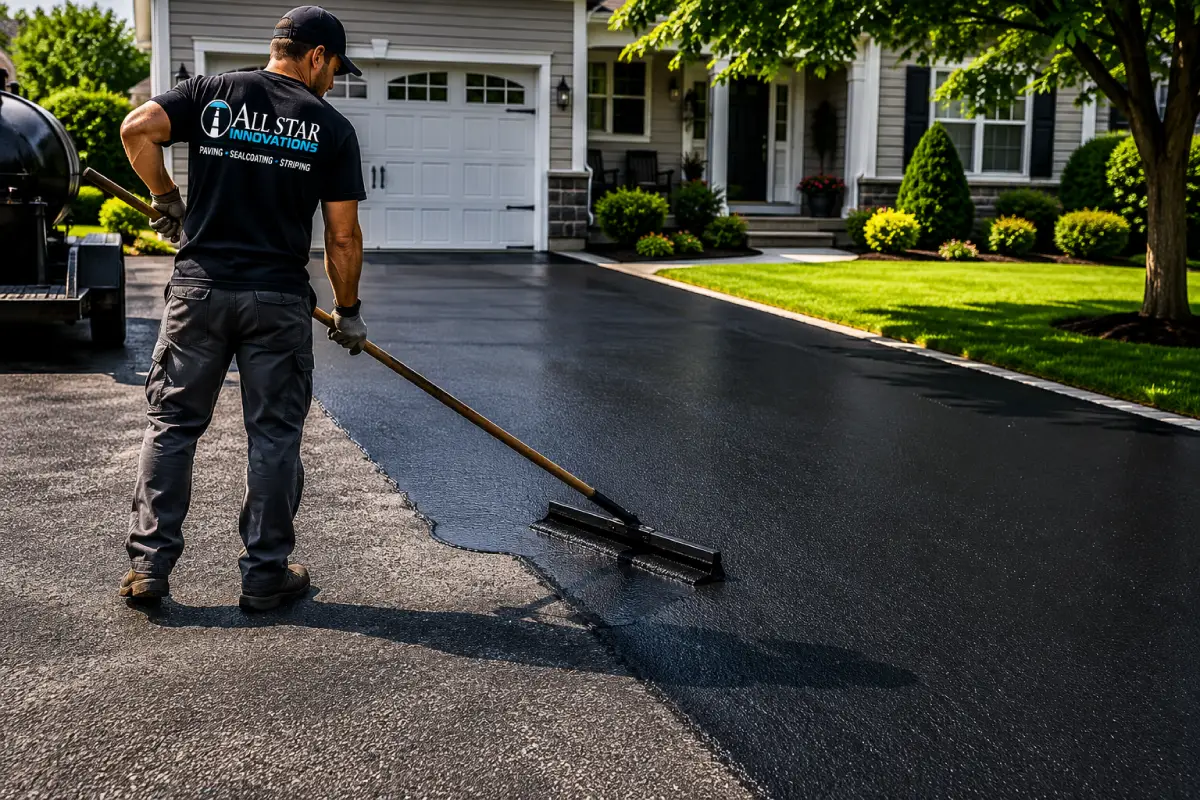
3. Sealcoat Asphalt Regularly
Sealcoating helps protect asphalt from UV rays, moisture, and chemical exposure.
Most asphalt driveways benefit from sealcoating every few years depending on traffic and weather conditions.
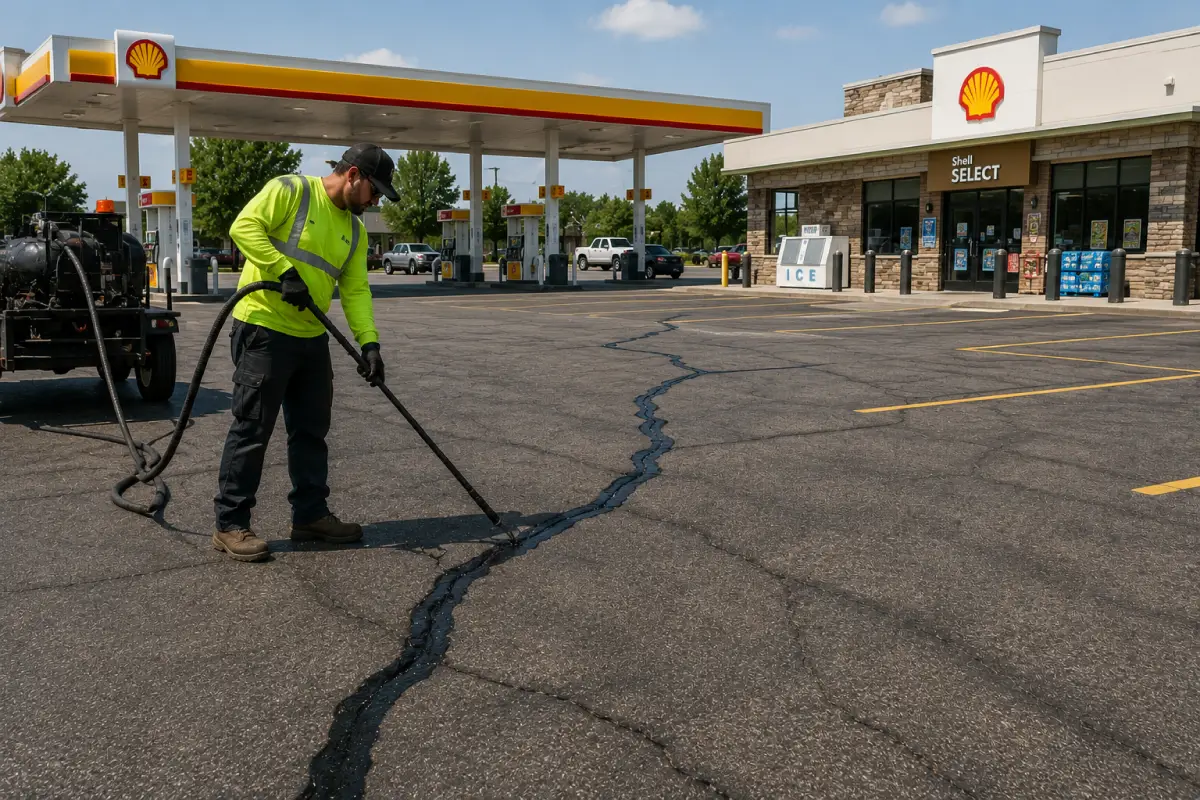
4. Repair Cracks Early
Small cracks can quickly become major problems if water reaches the base layer underneath.
- Seal minor cracks promptly
- Prevent moisture intrusion
- Address damage before winter or heavy rain
5. Avoid Excessive Weight
Heavy vehicles can place significant stress on driveways, especially if the pavement was not designed for those loads.
- Limit heavy truck traffic
- Avoid concentrated weight in one area
- Use thicker pavement where needed
6. Keep the Surface Clean
Oil, chemicals, and debris can gradually damage pavement surfaces over time.
Regular cleaning helps preserve appearance and reduce surface deterioration.
7. Address Drainage and Settlement Issues Quickly
Uneven surfaces, low spots, and pooling water are often signs of deeper problems beneath the driveway.
Correcting these issues early can prevent more extensive structural damage later.
How Long Should a Driveway Last?
| Material | Typical Lifespan |
|---|---|
| Asphalt | 15 to 25 years |
| Concrete | 20 to 30+ years |
Proper installation and maintenance can significantly increase these averages.
Final Thoughts
A driveway that lasts 20 years or more usually comes down to proper installation, drainage, maintenance, and early repairs.
Addressing small issues before they grow into major problems is the best way to maximize pavement lifespan and reduce long-term costs.