Sealcoating protects asphalt surfaces from wear and environmental damage, but whether it is worth the investment depends on usage, condition, and long-term maintenance goals. For parking lots and commercial properties, it often plays a key role in extending lifespan.
Sealcoating is one of the most common maintenance practices for asphalt surfaces. It is frequently used on parking lots, roadways, and commercial properties to protect against weather, traffic, and surface deterioration.
While it adds an upfront maintenance cost, it can also reduce long-term repair expenses when used at the right time and under the right conditions.
What Is Sealcoating?
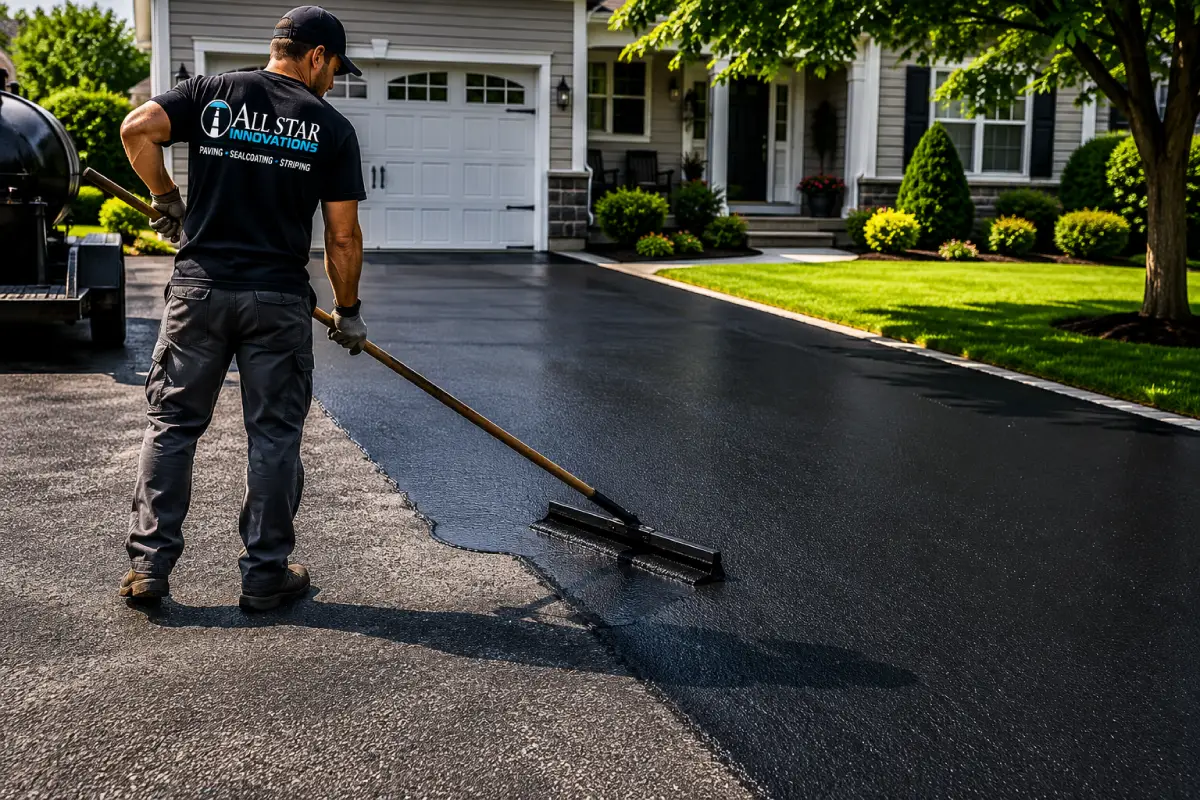
Sealcoating is a protective layer applied over asphalt. It acts as a barrier against water intrusion, UV exposure, oil spills, and chemical damage.
For high-traffic areas like parking lots, this added protection helps slow down surface wear and maintain structural integrity over time.
Why Sealcoating Matters for Parking Lots
Commercial asphalt surfaces face more stress than residential driveways. Constant vehicle traffic, heavier loads, and exposure to the elements can accelerate deterioration.
- Protects against frequent vehicle traffic
- Reduces surface oxidation from sun exposure
- Helps prevent water penetration into the base
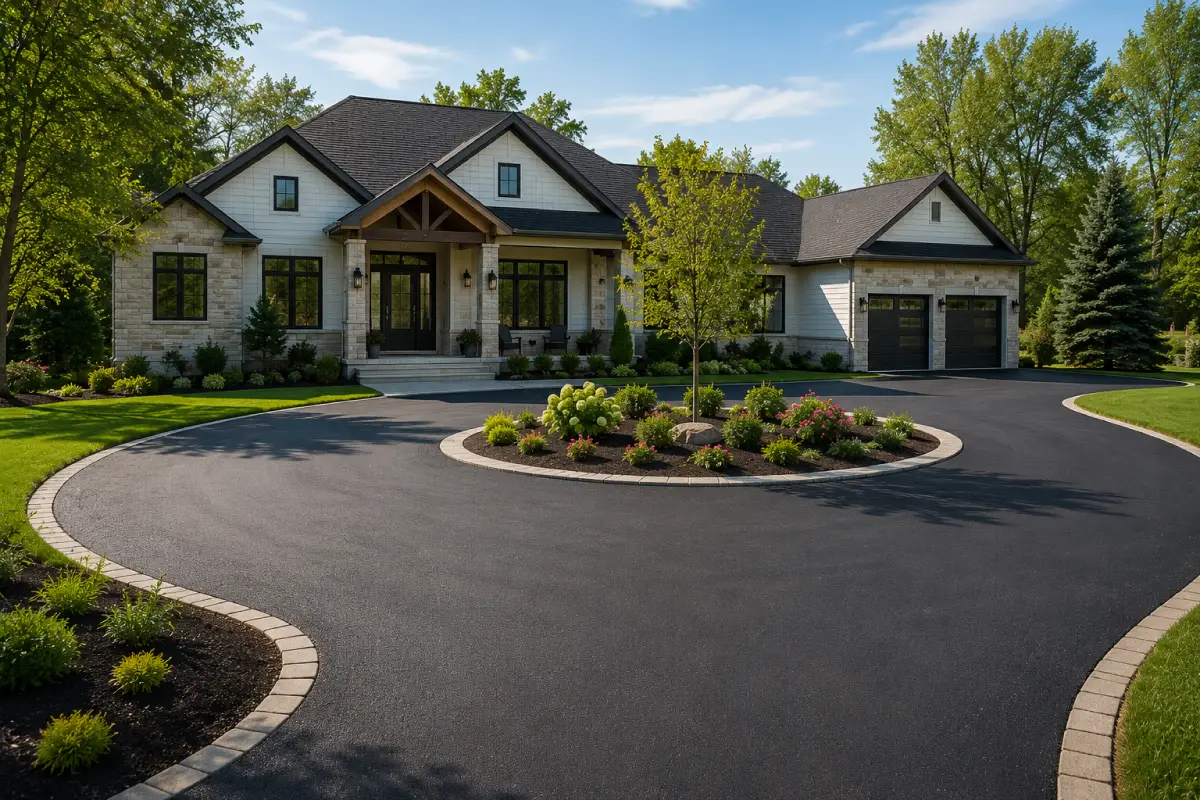
- Improves overall appearance for customers and tenants
For businesses and property managers, maintaining a well-kept parking lot can also impact safety and perception.
How Much Does Sealcoating Cost?
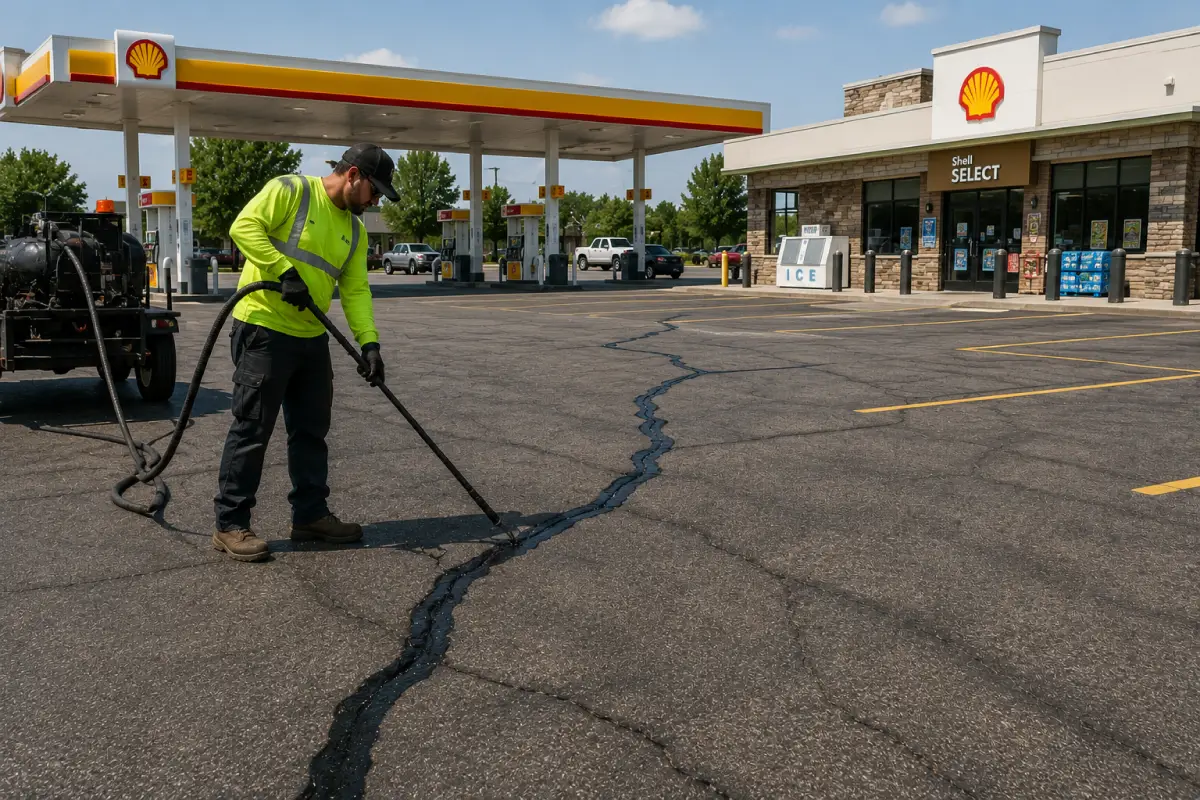
Sealcoating is generally one of the more affordable maintenance options for asphalt. The total cost depends on surface size, condition, traffic level, and preparation work such as cleaning and crack filling.
For large areas like parking lots, the cost is typically spread over a larger surface, making it a cost-effective preventative measure compared to major repairs or full replacement.
How Often Should Parking Lots Be Sealcoated?
The frequency of sealcoating depends on usage and environmental conditions. High-traffic commercial areas may require more frequent applications than lower-use surfaces.
In general, sealcoating is performed every few years as part of a proactive maintenance plan.
When Sealcoating Is Worth It
Sealcoating provides the most value when asphalt is still structurally sound and maintenance is being done proactively.
- The surface shows early signs of wear but no major damage
- You want to extend the life of a parking lot or roadway
- You are managing a property long-term
- You want to reduce future repair costs
When Sealcoating May Not Be Worth It
Sealcoating is not a solution for severely damaged asphalt. If structural issues are already present, other repairs should come first.
- Large cracks or potholes are widespread
- The base has begun to fail
- The surface requires resurfacing or replacement
In these cases, sealcoating alone will not provide meaningful long-term value.
Sealcoating vs Skipping Maintenance
Without sealcoating, asphalt is more exposed to damage from water, sunlight, and traffic. Over time, this can lead to faster deterioration and higher repair costs.
For commercial properties, delaying maintenance often results in larger, more expensive projects later.
So, Is Sealcoating Worth It?
Sealcoating is worth it for most parking lots and commercial asphalt surfaces when used as part of a regular maintenance plan. It helps extend lifespan, improve appearance, and reduce long-term costs.
The key is timing. Applying sealcoating before major damage occurs delivers the most value.
Final Thoughts
Sealcoating is a preventative maintenance strategy, not a repair solution. When used correctly, it protects asphalt surfaces and helps avoid more expensive issues down the line.
For commercial properties, parking lots, and high-traffic areas, staying proactive with maintenance is one of the most cost-effective decisions you can make.