Sealcoating and resurfacing are not the same, and choosing the wrong one can lead to wasted money or short-term results. Understanding the difference helps you make the right decision for your asphalt surface.
Both sealcoating and resurfacing are used to maintain asphalt, but they serve very different purposes. One is preventative, while the other is corrective.
Knowing when to use each option is key to extending the life of your pavement and avoiding unnecessary costs.
What Is Sealcoating?
Sealcoating is a protective layer applied to the surface of asphalt. It helps shield against water, UV rays, and chemical damage.
- Protects the surface from wear
- Restores appearance
- Slows down deterioration
Sealcoating does not add structural strength. It is designed to maintain asphalt that is still in good condition.
What Is Resurfacing?
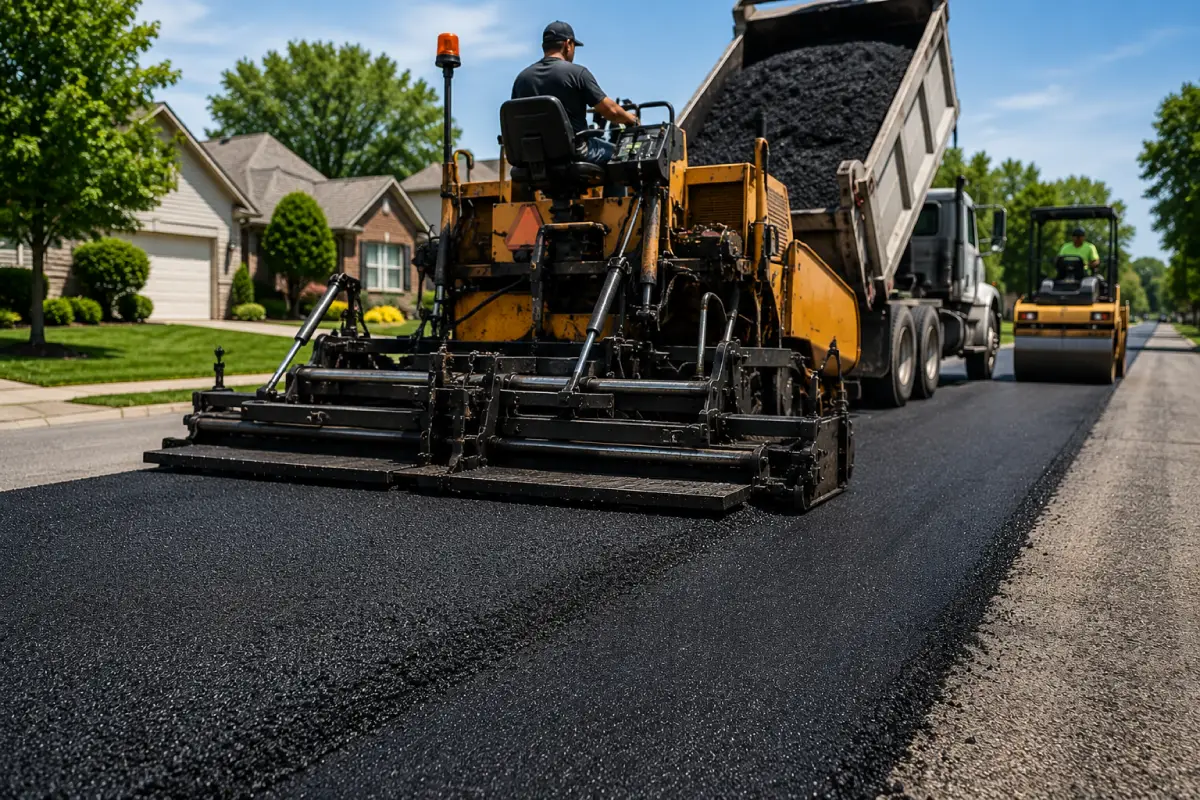
Resurfacing involves adding a new layer of asphalt over an existing surface. It is used when the pavement has moderate damage but the base is still intact.
- Adds a new functional surface layer
- Improves strength and durability
- Addresses cracks and surface damage
Resurfacing is more extensive than sealcoating and is typically part of a larger repair strategy.
Key Differences
| Factor | Sealcoating | Resurfacing |
|---|---|---|
| Purpose | Protection | Repair and renewal |
| Thickness | Thin coating | New asphalt layer |
| Cost | Lower | Higher |
| When to Use | Good condition | Moderate damage |
When Sealcoating Is the Right Choice
Sealcoating works best when asphalt is still structurally sound.
- Surface shows minor wear or fading
- No major cracks or potholes
- You want to extend lifespan
It is a preventative maintenance solution, not a repair method.
When Resurfacing Makes More Sense
Resurfacing is the better option when the pavement has visible damage but is not completely failing.
- Cracks are widespread
- Surface wear is advanced
- The base layer is still stable
It restores the surface without the cost of full replacement.
Can You Sealcoat Instead of Resurfacing?
No, sealcoating cannot replace resurfacing. Applying sealcoat over damaged asphalt will not fix structural issues and may only provide a temporary visual improvement.
Cost Comparison
Sealcoating is significantly more affordable because it is a surface treatment. Resurfacing costs more due to materials, labor, and preparation.
However, using the wrong solution can lead to higher long-term costs.
Final Thoughts
Sealcoating and resurfacing serve different roles in asphalt maintenance. Sealcoating protects surfaces that are still in good condition, while resurfacing restores pavement that has already begun to deteriorate.
Choosing the right option depends on the condition of your asphalt and your long-term maintenance goals.