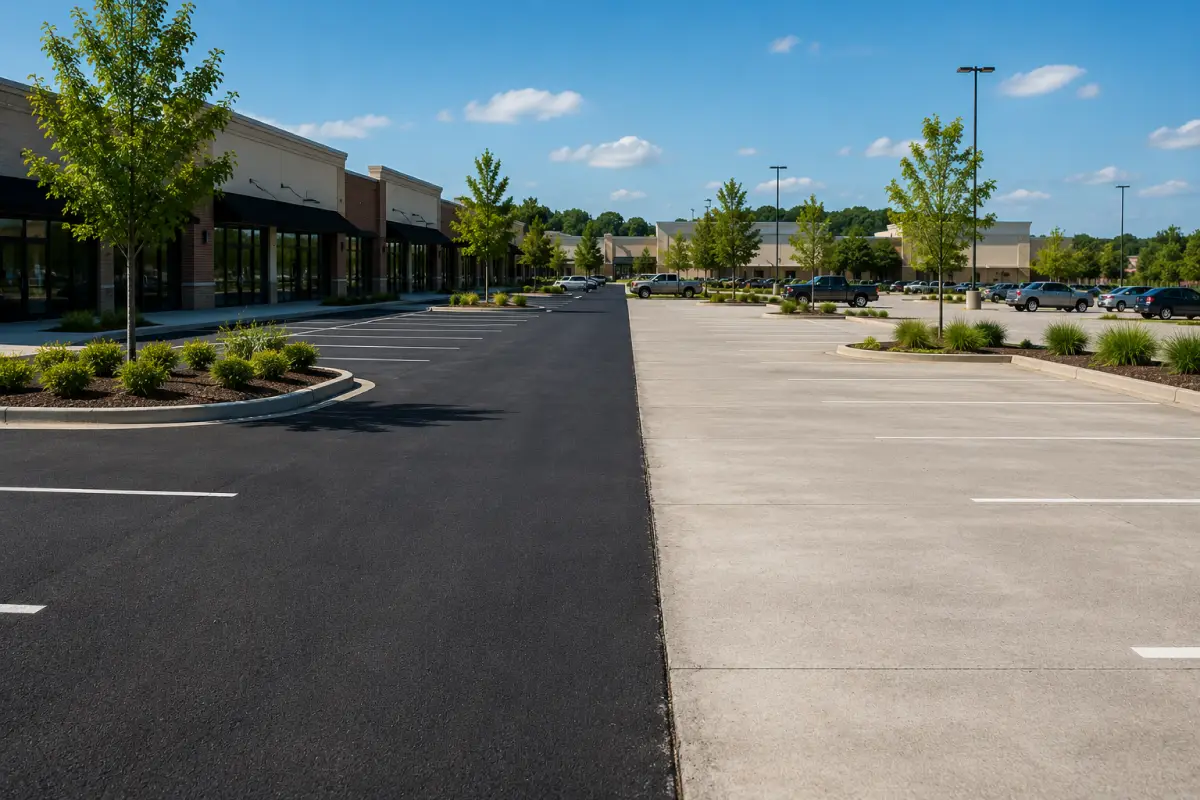

Choosing between repair and replacement depends on the condition of your pavement, and making the wrong decision can lead to higher costs over time. Understanding when each option makes sense helps you protect your investment.
Asphalt and concrete surfaces naturally wear down over time. Cracks, potholes, and surface damage are common, especially in high-traffic areas like parking lots and commercial properties.
The key question is whether the damage can be fixed effectively or if the entire surface needs to be replaced.
When Repair Makes Sense
Repairs are often the best option when damage is limited and the overall structure of the pavement is still strong.
- Small cracks or isolated damage
- Minor surface wear or fading
- Early-stage deterioration
- No major base or drainage issues
In these cases, repairs can extend the life of the surface without the higher cost of full replacement.
Common Types of Repairs
The type of repair depends on the condition of the pavement.
- Crack sealing: Prevents water from entering the surface
- Patching: Fixes localized damage or potholes
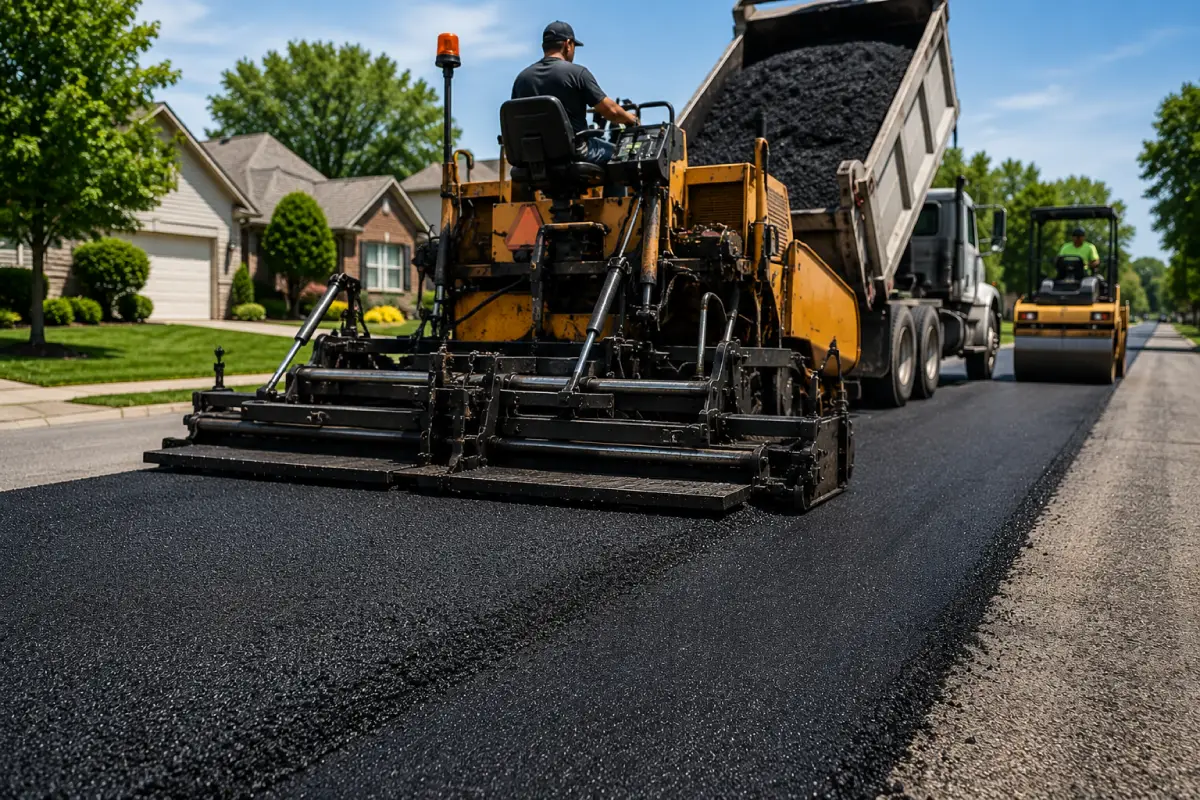
- Resurfacing: Adds a new layer over existing pavement
These methods are effective when the underlying structure is still intact.
When Replacement Is the Better Option
Replacement is usually necessary when the pavement has significant structural damage or widespread deterioration.
- Extensive alligator cracking
- Frequent or recurring repairs
- Surface instability or sinking
- Drainage issues affecting the base
In these situations, repairing the surface may only provide a temporary fix.
Cost Comparison: Repair vs Replacement
Repairs typically cost less upfront, making them appealing for short-term solutions. However, repeated repairs can add up over time.
Replacement has a higher initial cost but provides a new, long-lasting surface that may be more cost-effective in the long run.
How to Tell the Difference
A general rule of thumb is to evaluate how much of the surface is damaged.
- Less than 25% damaged: repair is often sufficient
- More than 50% damaged: replacement is usually recommended
The condition of the base layer is also a major factor. If the foundation is failing, replacement is typically necessary.
Long-Term Value Considerations
Choosing between repair and replacement is not just about cost. It is about long-term performance and reliability.
- Repairs extend life but may not solve deeper issues
- Replacement provides a fresh start with a longer lifespan
- Maintenance history affects future performance
For commercial properties, long-term durability often outweighs short-term savings.
Final Thoughts
The decision to repair or replace pavement depends on the extent of the damage, the condition of the base, and your long-term goals.
In many cases, early repairs can extend the life of your surface. However, when damage becomes widespread, replacement is often the more cost-effective solution.