Concrete and pavers each have unique advantages and drawbacks, and the right choice depends on factors like durability, maintenance, appearance, and budget. Understanding how they compare can help you choose the best option for your property.
Both concrete and pavers are commonly used for driveways, patios, walkways, and outdoor living spaces. While they may appear similar at first, their long-term performance and maintenance needs can be very different.
Comparing the pros and cons of each material helps property owners make a more informed decision before starting a project.
What Is Concrete?
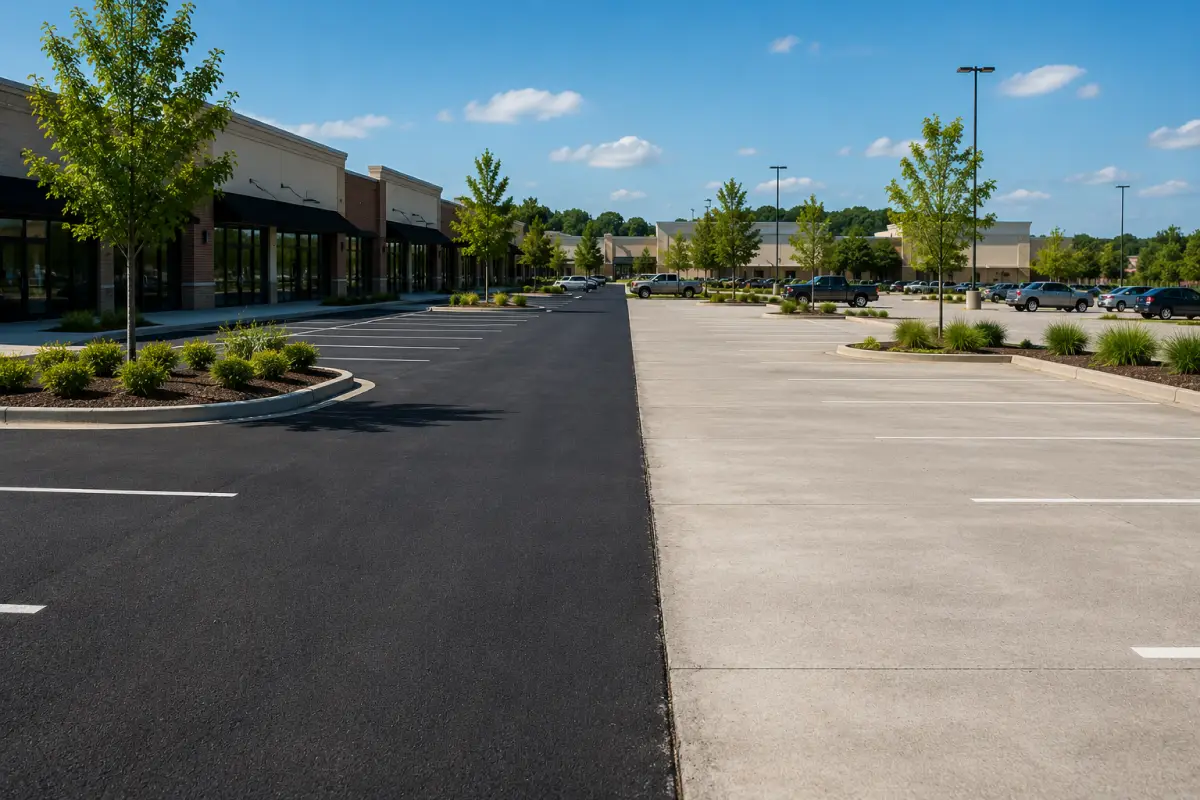
Concrete is a solid slab material poured and finished onsite. It is widely used because of its strength, versatility, and relatively lower installation cost.
- Available in standard or decorative finishes
- Strong and long-lasting
- Lower upfront cost than pavers in many cases
What Are Pavers?
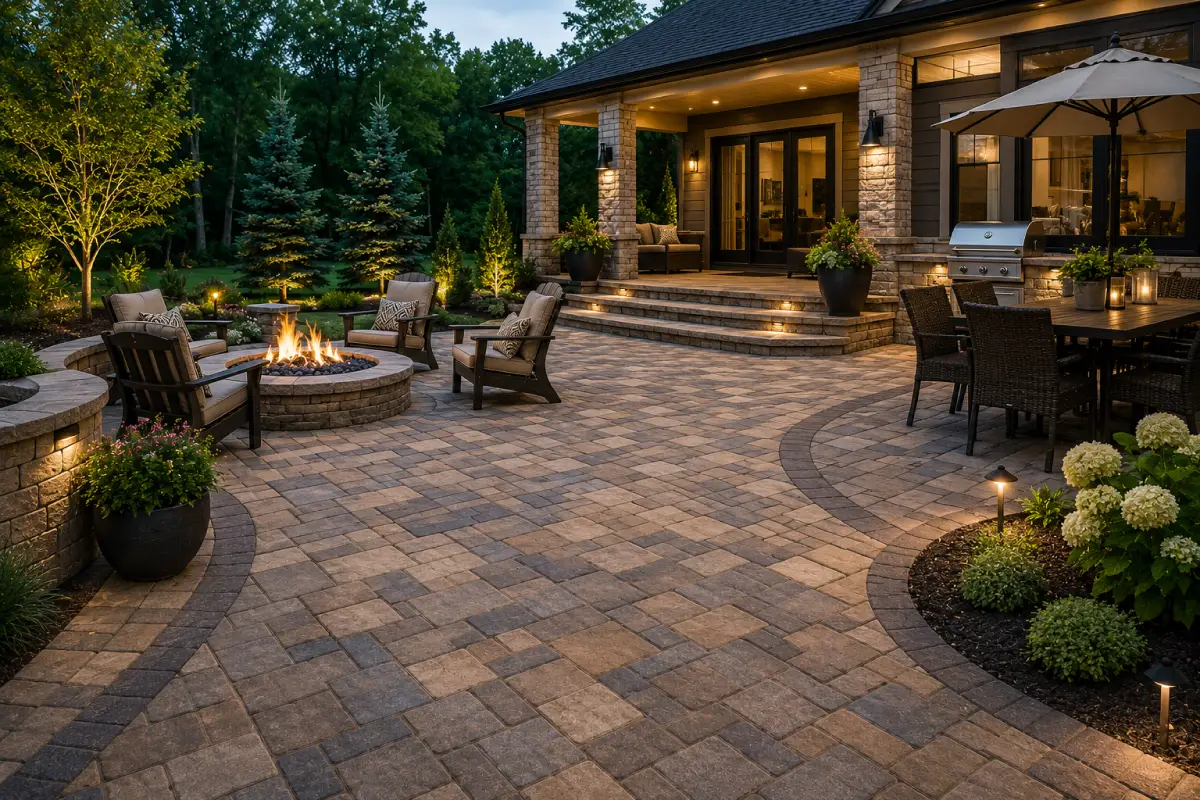
Pavers are individual units made from concrete, brick, or stone that are installed piece by piece over a prepared base.
- Highly customizable appearance
- Wide range of colors and patterns
- Flexible surface design options
Pavers are often chosen for decorative or high-end outdoor projects.
Concrete Pros and Cons
Pros
- Lower installation cost
- Smooth and clean appearance
- Fast installation process
- Strong structural performance
Cons
- Can crack over time
- Repairs may be more visible
- Less design flexibility compared to pavers
Paver Pros and Cons
Pros
- High-end decorative appearance
- Individual pieces can be replaced
- Flexible design and pattern options
- Handles movement better in some conditions
Cons
- Higher upfront installation cost
- More maintenance between joints
- Weeds and shifting can occur over time
Cost Comparison
Concrete is generally more affordable upfront, especially for larger surfaces.
Pavers usually cost more because installation is more labor-intensive and materials are more expensive.
| Factor | Concrete | Pavers |
|---|---|---|
| Upfront Cost | Lower | Higher |
| Repairability | Moderate | High |
| Design Flexibility | Moderate | High |
| Installation Speed | Faster | Slower |
Which Lasts Longer?
Both materials can last for decades when properly installed and maintained.
- Concrete typically lasts 20 to 30+ years
- Pavers can also last decades with proper maintenance
Lifespan often depends more on installation quality and drainage than the material itself.
Which Option Is Better?
The best choice depends on your priorities.
- Choose concrete if: you want lower upfront cost and faster installation
- Choose pavers if: appearance and customization are your top priorities
Final Thoughts
Concrete and pavers both offer strong performance and long-term durability, but they differ in cost, appearance, maintenance, and installation.
Understanding the pros and cons of each option helps you choose the right material for your property, budget, and long-term goals.